
Body Contouring
Body Contouring
Body contouring describes procedures that aim to change the shape of a specific area of the body. A consultation is a chance to talk through the areas you have in mind, the options available, and whether any of them suit you.
- Category
- Body Contouring
Explore Your Options
Understandingbody contouring.
Body contouring, also called body sculpting, is an umbrella term for medical and surgical procedures that aim to reshape an area of the body.
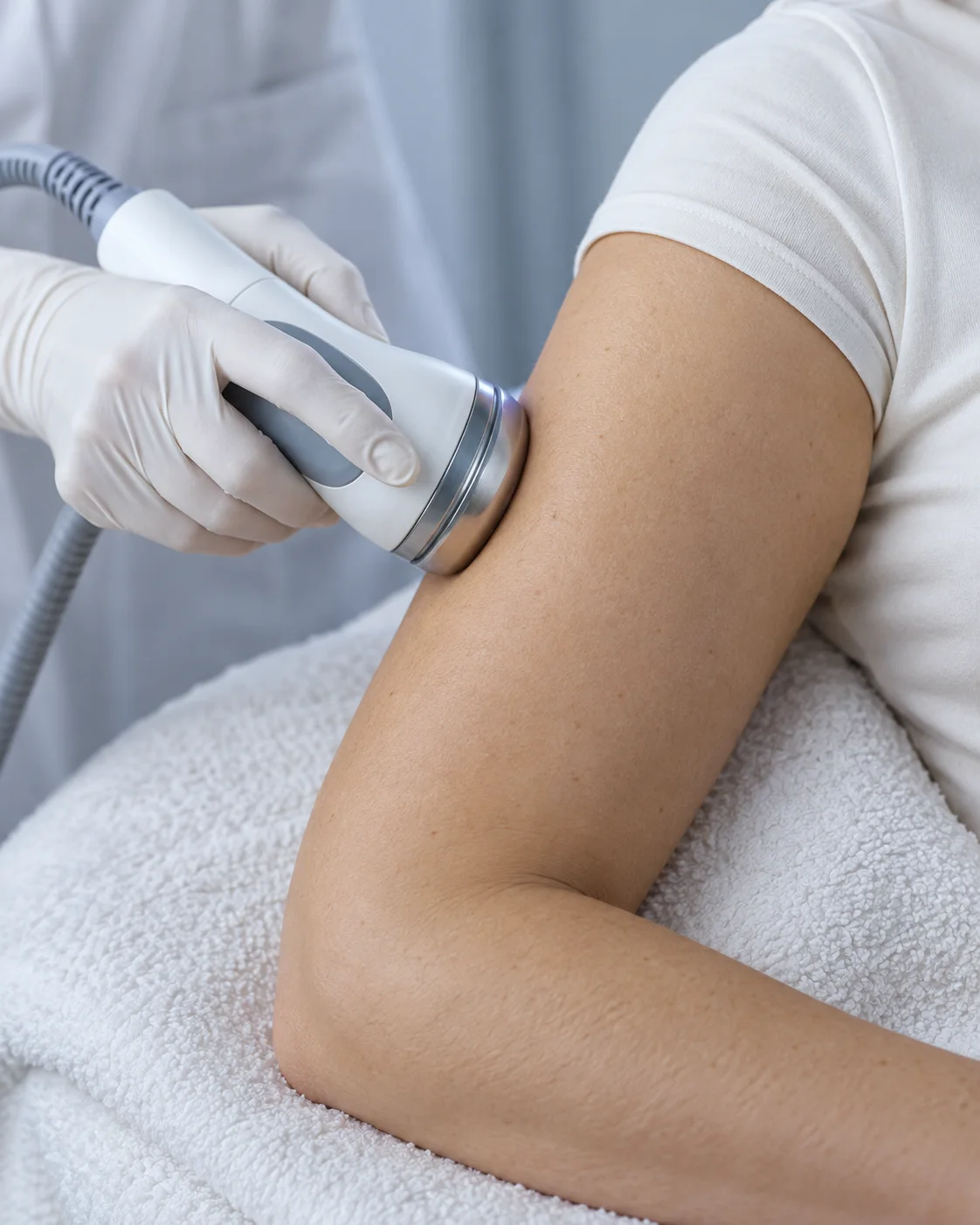
It covers very different approaches. Surgical procedures include liposuction and lifts or tucks. Non-surgical procedures use energy-based devices — for example cold, heat, light, ultrasound or magnetic fields — and do not remove tissue. Each method has its own benefits, limitations, risks and recovery, so what applies to you depends on the specific procedure.
Body contouring is not a weight-management treatment. Non-invasive body contouring does not treat obesity or improve your health, and it will not result in weight loss or contribute to the health benefits of weight loss. If weight is your main concern, that is a conversation for your doctor.
Not everyone responds to a body contouring procedure, results may be temporary, and more than one treatment may be needed. The procedures available here, and what each involves, are explained at your consultation.
Commonly discussed at consultation
- The areas you have in mind and what you hope to change
- Which options are available, and their benefits and limitations
- Your medical history, medications, implants and skin conditions
- Risks, recovery and costs for the option you are considering
Concerns & Suitability
Areas people often ask about.
People commonly ask about contouring for areas such as:
- The upper arms
- The abdomen and flanks
- The thighs and buttocks
- The neck and under the chin
Suitability is individual
Whether body contouring is appropriate depends on your goals, your health and the specific procedure. Guidance generally describes suitable candidates as being at or near a stable weight, with realistic expectations of what a procedure can and cannot change. Medications, implants, infections, skin conditions and other medical history can affect which options are suitable, so each person is assessed individually.
Your Consultation
What to expect.
-
Discuss your goals
You talk through the areas you have in mind and what you hope to change, and your provider explains what body contouring can and cannot do.
- Bring questions about the options you have read about
-
Assess suitability and options
Your provider asks about your medical history, medications, implants and skin conditions, assesses the area, and explains which of the available options — if any — may suit you, with their benefits, limitations and risks.
- Share all medications, implants, infections and skin conditions
-
Review a proposed plan
If a procedure is appropriate, your provider outlines a proposed plan, what recovery may involve for that procedure, and the cost, so you can decide whether to proceed.
- Ask how many treatments may be needed and whether results may be temporary
General information only. Your provider will give instructions specific to you.
Body Contouring FAQ
Questions aboutbody contouring.
General information drawn from published guidance, alongside how pricing works here. Many answers depend on the specific procedure — your provider confirms what applies to you.
View All FAQsBody contouring begins with a consultation. Treatment sessions start from the price shown on this page and our Pricing & Packages page; your total depends on the procedure, the areas treated and the number of sessions, and is confirmed with you before you begin.
Take the Next Step
Talk throughbody contouring.
Book a consultation to discuss the areas you have in mind, the options available, and whether body contouring is suitable for you.